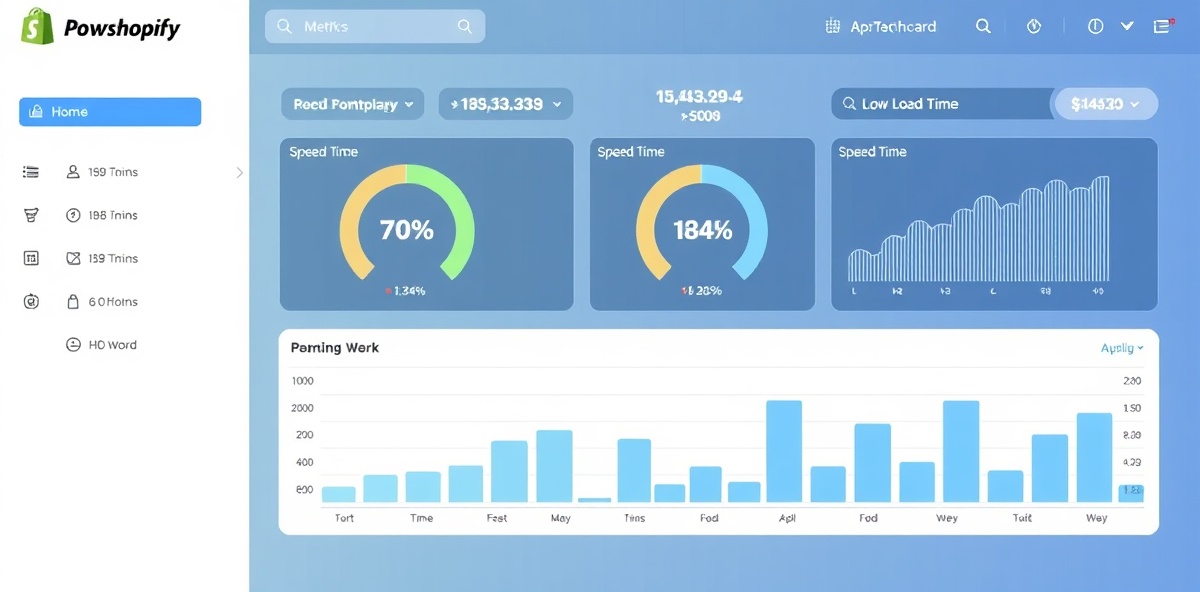
In today's competitive e-commerce landscape, every millisecond counts. Studies show that 53% of mobile users abandon websites that take longer than 3 seconds to load. For Shopify store owners, this translates directly to lost revenue and decreased customer satisfaction.
Beyond user experience, Google's algorithm heavily weights page speed as a ranking factor. A faster Shopify store not only converts better but also ranks higher in search results, driving more organic traffic to your business. With the introduction of Core Web Vitals as a ranking factor, optimizing your store's speed is no longer optional—it's essential.
At our agency, we've helped clients achieve sub-2 second load times consistently, resulting in 40% average conversion rate improvements. The investment in speed optimization pays for itself many times over through increased sales and improved SEO performance.
Before you can optimize, you need to understand your current baseline. Start by measuring three key metrics that Google cares about:
Use Google PageSpeed Insights, GTmetrix, and Shopify's own performance reports to establish your baseline metrics. Track these regularly to measure the impact of your optimization efforts.
Images typically account for 50-80% of your page's total size. Optimizing them is one of the highest-impact improvements you can make. Here's how:
Lazy loading defers loading of images and content until they're needed, significantly reducing initial page load time. This is especially important for product pages with multiple images.
Modern browsers support native lazy loading with the loading="lazy" attribute. For Shopify, this can be implemented through theme modifications or apps like Image Optimizer Pro. The impact is immediate—we typically see 15-25% improvements in LCP metrics after implementing proper lazy loading strategies.
Large JavaScript bundles are a common culprit for slow Shopify stores. Code splitting breaks your JavaScript into smaller chunks that load only when needed. Minification removes unnecessary characters from CSS and JavaScript, reducing file sizes by 30-50%.
Popular apps like Minify and Bundler automatically optimize your code, while custom Shopify development allows for more granular control over what loads on each page.
Browser caching tells visitors' browsers to store certain assets locally, reducing requests on repeat visits. Server-side caching reduces database queries and processing time.
Implement HTTP caching headers for static assets, use Shopify's built-in caching mechanisms, and consider apps that optimize database queries. The combination of proper caching strategies can improve repeat visitor load times by 40-60%.
Not everything requires technical expertise. Here are immediate actions that will improve your store's speed:
We've helped 100+ Shopify stores achieve sub-2 second load times and 40% average conversion increases. Let us audit your store and create a custom optimization plan.
Zunair Khawaja
Expert Shopify developer and conversion rate optimization specialist with 10+ years of experience building high-performance e-commerce solutions. Founder of ZK Digital Solutions, helping businesses achieve measurable growth through strategic development and optimization.
Conversion Optimization
Learn data-driven strategies to boost your conversion rate and increase revenue.
Platform Comparison
Compare the two most popular e-commerce platforms to choose the right fit for your business.
Growth Tools
Discover the top apps that help scale your Shopify store and improve operations.
Our Shopify and web development experts help businesses build high-performing stores and websites that drive measurable results. Let's discuss your project today.
Start Your Project